

Courtney Fisher, AIA, Director of Architecture at Ideation Design Group in Phoenix, recently completed Next to Lead, a national AIA professional leadership program that removes barriers to AIA volunteer leadership positions for racially and ethnically underrepresented women in architecture.
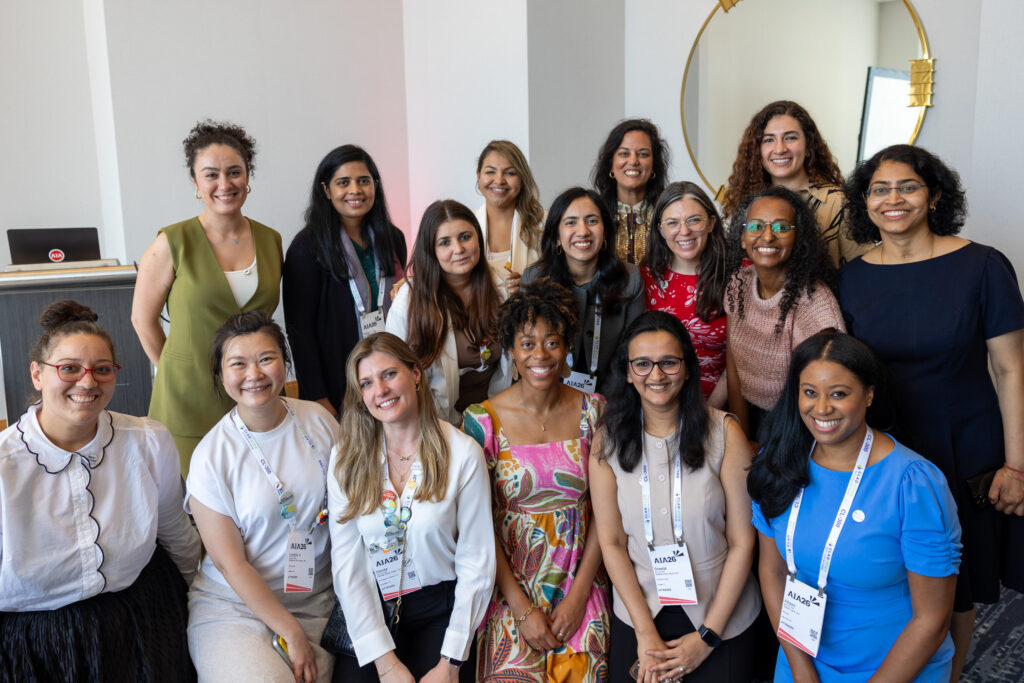
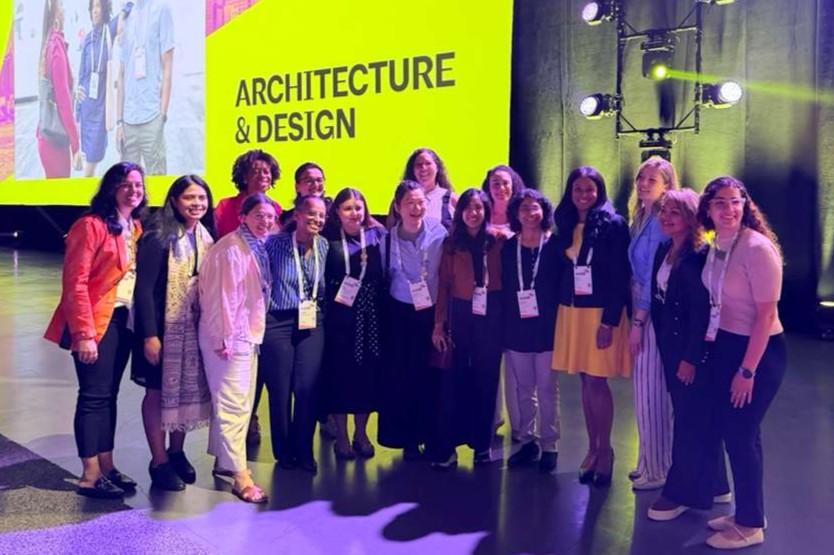
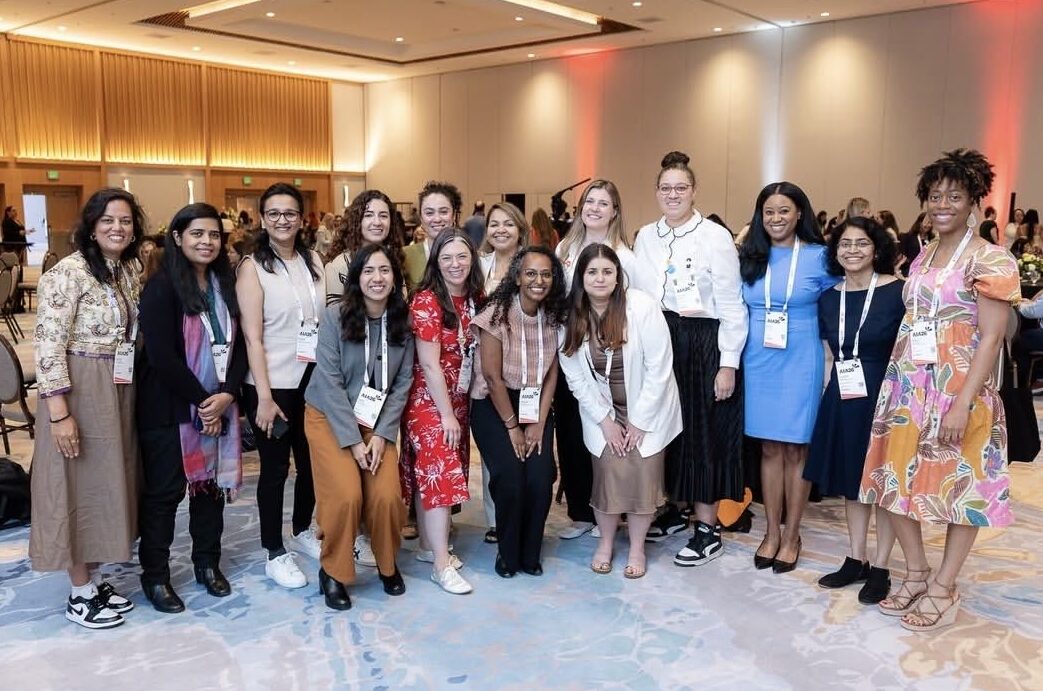
As a part of the 2025–2026 Next to Lead cohort, Fisher engaged in a ten-month program aimed at enhancing association leadership acumen, tackling challenges faced by women in the workplace and the architecture profession, and refining leadership skills. Fisher and her fellow participants benefited from monthly virtual learning opportunities and in-person workshops led by expert speakers and AIA national staff.
Applications for the next AIA National Next to Lead cohort are now open, and the program accepts no more than 18 applicants per year. Women from racially and ethnically underrepresented groups who are AIA members and have at least five years of experience in architecture can apply by August 7. The Next to Lead program will kick-off this September and conclude in June 2027. Click here to learn more and to apply.
In this interview, below, Courtney reflects on her professional journey, the experiences that have influenced her approach to design, and what leadership means in today’s evolving architectural landscape. Her insights offer a compelling look at what it means to lead with intention and vision.
What inspired you to apply for the AIA National Next to Lead program?
I applied to Next to Lead at a pivotal point in my career. I was stepping into a larger leadership role and felt ready to take on more responsibility, but I also recognized that I did not yet have all the knowledge or tools I needed to lead as effectively and intentionally as I wanted.
I was also drawn to the program because of how my experiences growing up in a mixed-race family have shaped my understanding of leadership and belonging. I often felt like I was part of multiple worlds while not fully belonging to any one of them. Over time, that experience made me more aware of who feels included, who may be standing at the edges, and how meaningful it can be when someone intentionally creates space for others.
When I saw Next to Lead in an AIA email, it felt aligned with exactly where I was in my journey. I was looking for mentorship, practical leadership tools, and a community that could help me better understand my strengths and prepare for the next stage of my career. I also wanted to become the kind of leader who helps others feel seen, supported, and confident that there is a place for them within the profession.
During your time with Next to Lead, was there a moment or experience that challenged or reshaped your perspective on leadership or your role within the profession?
There were many moments that reshaped my understanding of leadership.
Pascale Sablan’s storytelling session was particularly meaningful because she first shared her own story and then gave us a framework for developing and communicating ours. The process encouraged us to look closely at who we are, what we stand for, and what experiences have shaped us. It also challenged us to think about how to share those things in a way that others can understand and connect with while still remaining authentic. That session helped me see storytelling not as self-promotion, but as an important leadership tool that can create connection, build trust, and give others permission to share their own experiences.
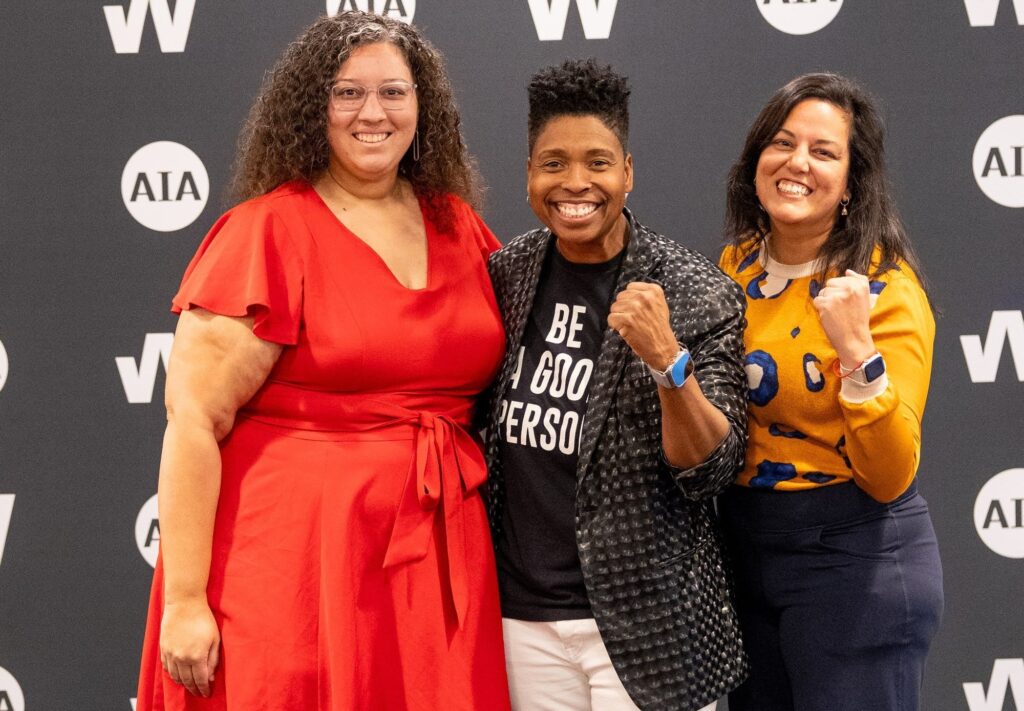
The in-person experiences were equally powerful. At the Women’s Leadership Summit, we heard from leaders with very different backgrounds and career paths, including Vernice “FlyGirl” Armour, whose message about courage and action was incredibly energizing. We also participated in more intimate conversations with AIA and local leaders, which made leadership feel accessible and personal rather than distant.
The virtual session about the AIA College of Fellows also expanded my perspective. Before the program, I had unconsciously imagined Fellowship as something reserved for people who fit a traditional image of a senior architect. Hearing women discuss their different paths to Fellowship helped me see that emerging leaders and younger women can begin building toward that kind of impact now.
How has that experience influenced the way you approach your work and growth as a leader today?
Next to Lead encouraged me to be bolder, take more thoughtful risks, and see myself differently as a leader. It helped me move beyond simply accepting leadership responsibilities and begin thinking more intentionally about the kind of leader I want to become.
I am more willing to speak up, pursue opportunities that stretch me, and trust that my perspective has value. At the same time, the program strengthened my awareness of people who may be overlooked, underserved, or unsure whether they belong. I try to recognize those situations earlier and look for thoughtful, tactful ways to create space, offer support, or shift the conversation.
The experience also reinforced that leadership is not only about what I accomplish personally. It is about how I support others, build trust, share opportunities, and help people recognize their own potential.
What are key aspects about AIA–and the value of belonging to the professional association–that you learned that you did not know before?
Next to Lead helped me understand just how broad and interconnected the AIA community truly is. Before the program, I understood AIA primarily through local events, continuing education, conferences, and professional resources. Through Next to Lead, I began to see the larger network of people, programs, leaders, and opportunities that exist across the organization.
I was especially struck by how many people genuinely want to support others in their professional and leadership journeys. Through mentorship, candid conversations, and connections with leaders from across the country, I saw that AIA can offer more than professional development. It can provide community, advocacy, visibility, and a pathway for members to influence the future of the profession.
The experience showed me that belonging to AIA is not only about what you receive from the organization. It is also about finding where you can contribute, building relationships, and helping create opportunities for the people who come after you.
The Next to Lead program emphasizes growth and connection—what relationships or insights have been most impactful for you, and why?
The relationships I formed with the women in my cohort have been the most impactful part of the experience. We built deep bonds very quickly by sharing our stories, challenges, ambitions, and experiences honestly with one another.
Our cohort represents a wide range of racial, ethnic, geographic, professional, and personal backgrounds. Because of that diversity, there is almost always someone in the group who understands a particular challenge or can offer a perspective I may not have considered. We may have arrived through different paths, but we are connected through this shared experience and our desire to strengthen the profession.
Over the course of the program, we watched one another grow, take risks, and become more confident. I now have a network of sisters across the country and throughout the architecture profession. That community has reminded me that leadership does not have to be isolating. We can challenge, encourage, celebrate, and create opportunities for one another.
As an emerging leader in architecture, what do you see as the biggest opportunities—and responsibilities—for your generation in shaping the future of the profession?
Our generation has an opportunity to reshape both the profession and the way architecture is understood by the public. Architects have an enormous influence on people’s safety, well-being, sense of belonging, and everyday experience, but the full value of our work is not always visible or well understood.
We have both an opportunity and a responsibility to communicate that value more clearly. That means knowing our worth, advocating for ourselves, and helping clients and the public better understand the expertise, judgment, and responsibility behind the work we do. It also means being more intentional about the financial health of the profession so that architects and design professionals are fairly compensated, firms can invest in their people, and talented individuals can build sustainable careers.
At the same time, we have a responsibility to make the profession more accessible, inclusive, and responsive to the communities we serve. That includes challenging outdated assumptions about who can become an architect, who can lead, and whose experiences are represented in the built environment.
We also have a responsibility to mentor and prepare the next generation. The future of the profession will be shaped not only by the buildings we design, but also by how we advocate for the value of our work, support one another, engage with our communities, and create pathways for others to succeed.
For those considering applying to Next to Lead, what advice or encouragement would you offer?
Do it.
My advice is to be personal, specific, and honest about why the program matters to you. I do not know exactly which parts of my application resonated most with the selection committee, but I believe the strongest sections were those that connected my experiences to the kind of leader I am trying to become.
I wrote about learning that fewer than half of one percent of licensed architects in the United States were Black women in 2022, the same year I became licensed. That realization changed how I thought about my own place in the profession and the importance of visibility, belonging, and creating pathways for others.
I also tried to demonstrate that this was work I had already begun through mentoring, AIA and NOMA along with public speaking, and community leadership outside the profession. Next to Lead was not the beginning of my interest in leadership; it was an opportunity to strengthen and amplify the work I was already doing.
For someone applying, I would encourage them to explain: Why Next to Lead? Why now? What perspective and experiences do you bring? How could the program help you expand the impact you are already making?
You do not need to have your entire leadership journey figured out before you apply. You simply need to be willing to reflect honestly, grow alongside others, and step more fully into what may be possible for you.
Women from racially and ethnically underrepresented groups who are AIA members and have at least five years of experience in architecture are invited to apply for the 2026 Next to Lead program, which will kick-off this September and conclude in June 2027. Applications are due by August 7, 2026.
Share this article
07/22/2026