2026
| Distinguished Architecture
| Citation
Grey Shed Studio
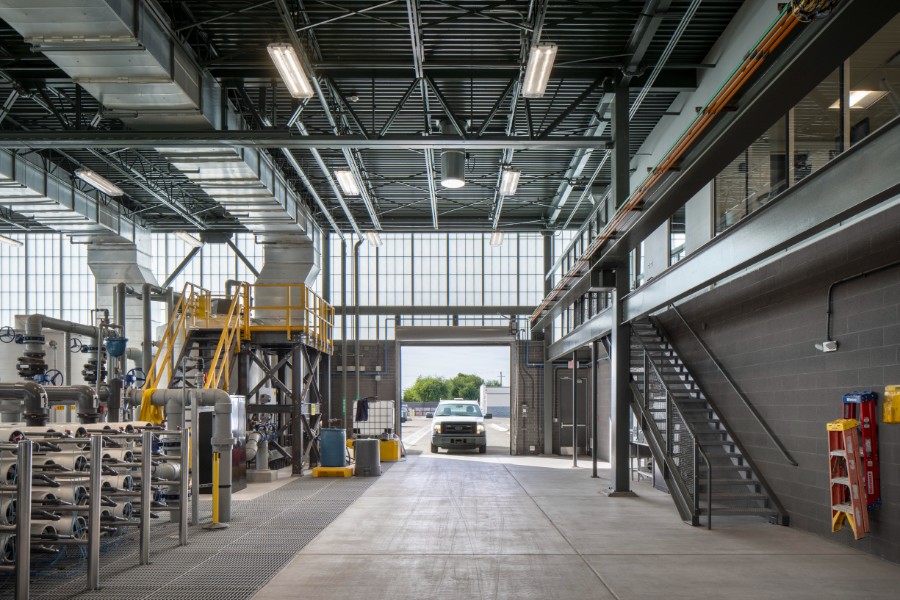
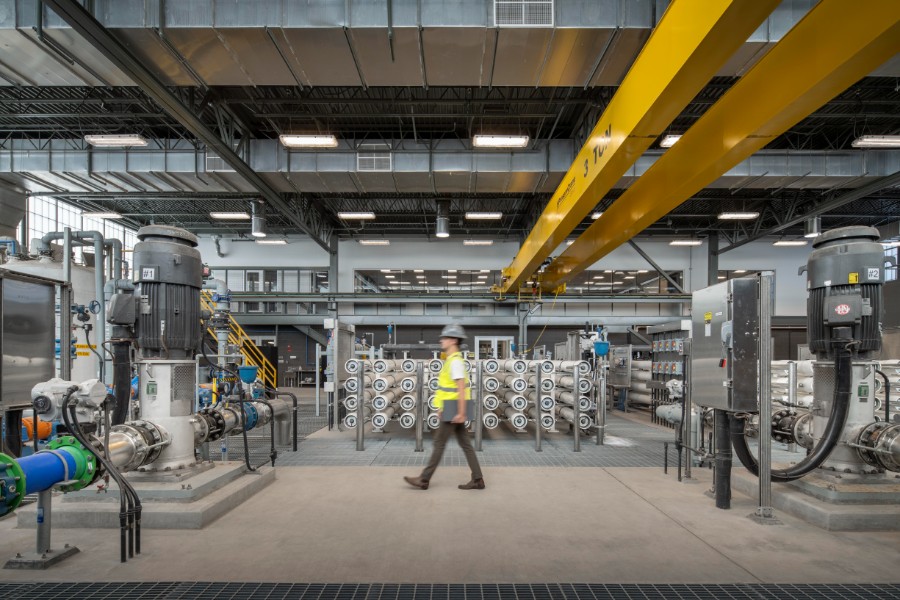
Located within Pima Park in South Scottsdale, Arizona, the Thomas Groundwater Treatment Facility (TGTF) expands long-term environmental recovery from the North Indian Bend Wash Superfund site, an industrial chemical contamination event dating back nearly 45 years. This newest addition to the City’s water infrastructure uses reverse osmosis technology to remove trichloroethylene (TCE), arsenic, fluoride, and other constituents from multiple wells, supporting aquifer restoration and safe potable supply.
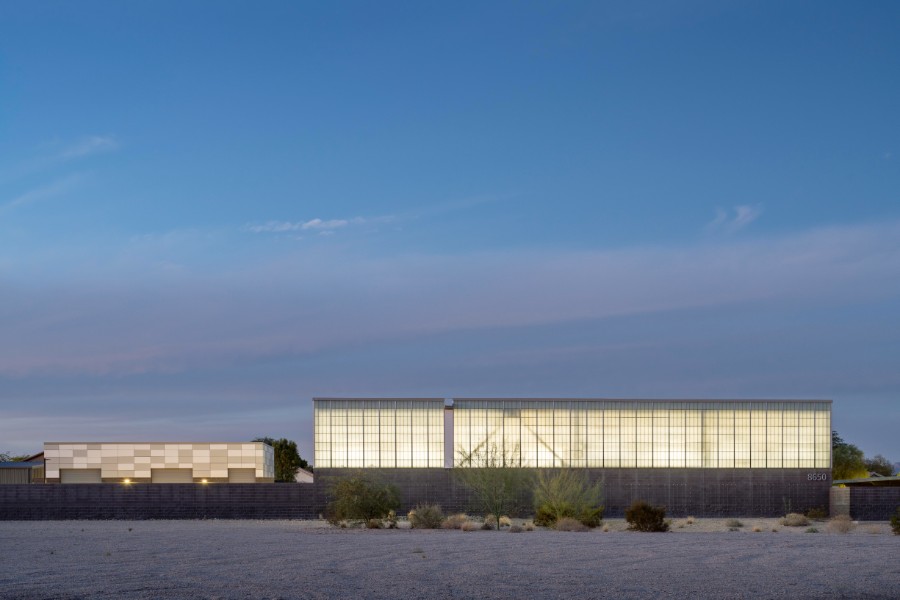
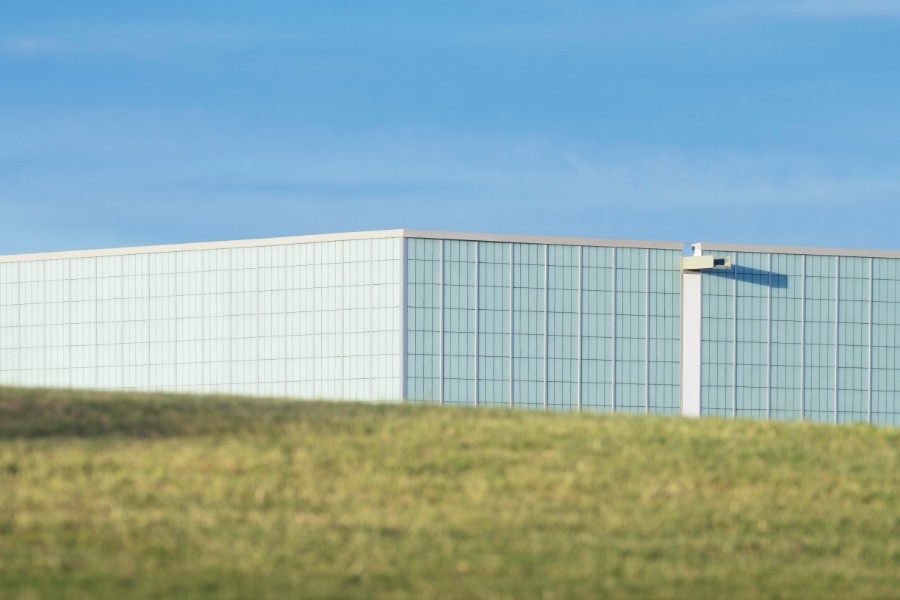
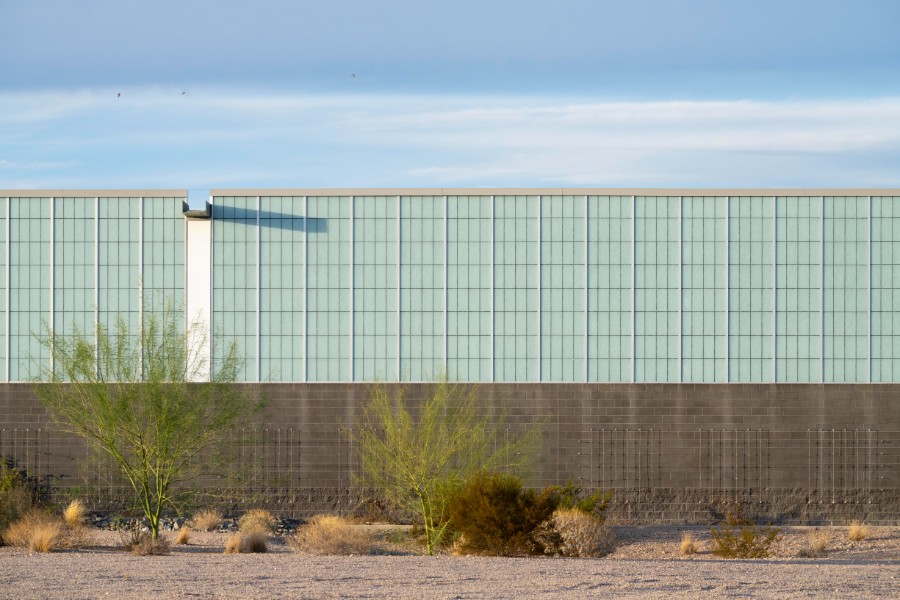
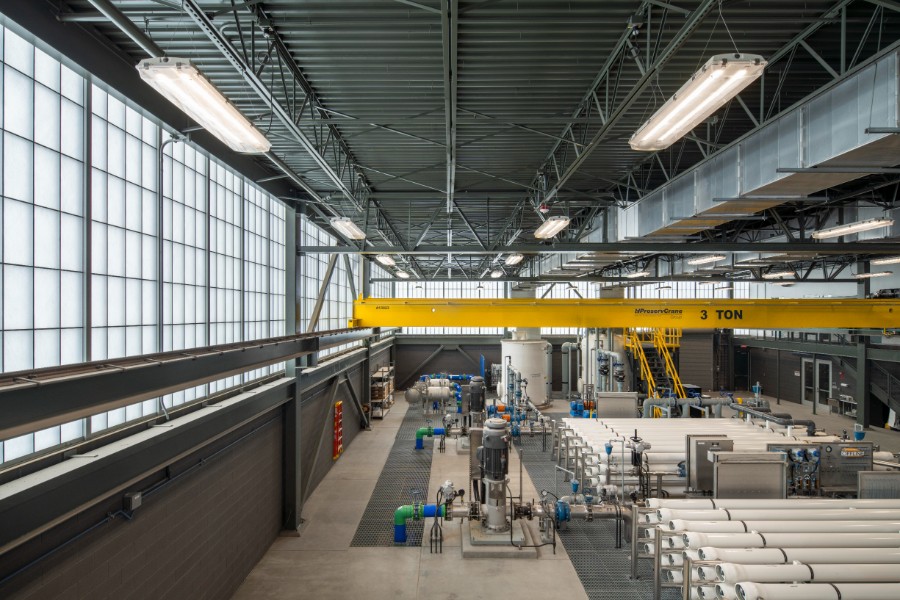
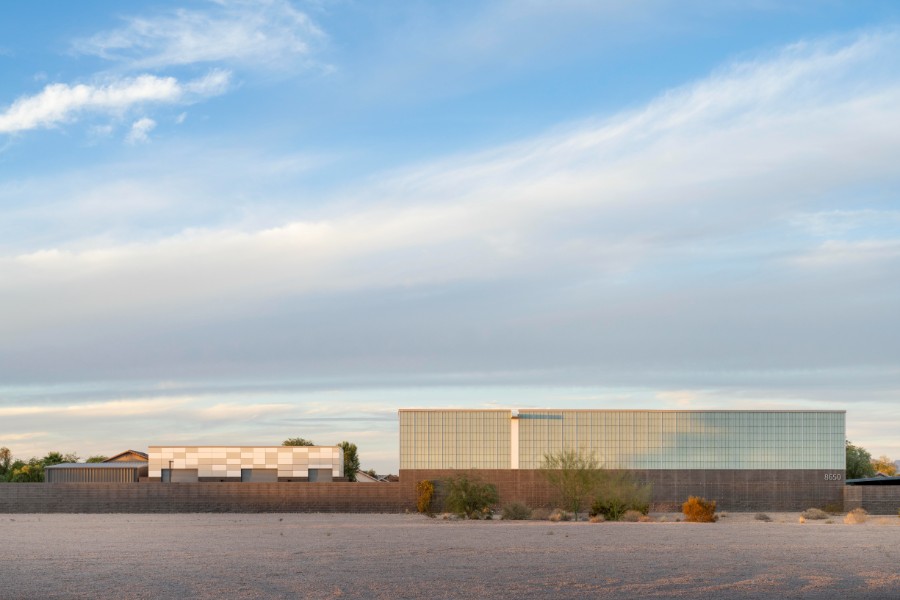
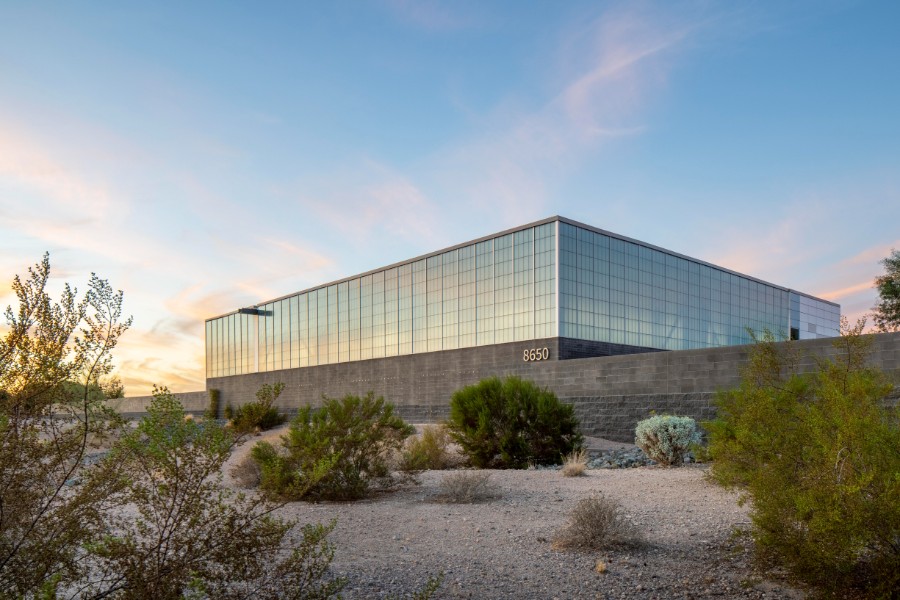
Three structures occupy a sensitive urban edge, adjacent to neighborhoods and layered within a suburban pocket-park. Engagement with residents helped shape the building’s orientation, massing, and interface with nearby open spaces. Through modest scale, controlled light, and restrained materials, the architecture offers a quiet addition to the neighborhood on the back of utilitarian need. A masonry plinth anchors the building and shields operational zones while a semi-translucent lid brings daylight into the work floor and emits a soft glow after dark. A new stormwater basin to the South provides regional flood control and feeds native plantings to ground the building’s facade.
The design seeks to Located within Pima Park in South Scottsdale, Arizona, the Thomas Groundwater Treatment Facility (TGTF) expands long-term environmental recovery from the North Indian Bend Wash Superfund site, an industrial chemical contamination event dating back nearly 45 years. This newest addition to the City’s water infrastructure uses reverse osmosis technology to remove trichloroethylene (TCE), arsenic, fluoride, and other constituents from multiple wells, supporting aquifer restoration and safe potable supply.
Three structures occupy a sensitive urban edge, adjacent to neighborhoods and layered within a suburban pocket-park. Engagement with residents helped shape the building’s orientation, massing, and interface with nearby open spaces. Through modest scale, controlled light, and restrained materials, the architecture offers a quiet addition to the neighborhood on the back of utilitarian need. A masonry plinth anchors the building and shields operational zones while a semi-translucent lid brings daylight into the work floor and emits a soft glow after dark. A new stormwater basin to the South provides regional flood control and feeds native plantings to ground the building’s facade.
The design seeks to celebrate a critical public service of delivering clean water rather than conceal its infrastructure. The TGTF is both a site of civic engagement and critical utility: a project that integrates environmental remediation and stewardship of resources with clarity, restraint, and lasting presence in the Sonoran Desert. a critical public service of delivering clean water rather than conceal its infrastructure. The TGTF is both a site of civic engagement and critical utility: a project that integrates environmental remediation and stewardship of resources with clarity, restraint, and lasting presence in the Sonoran Desert.
See project photos
Architecture Firm
Holly Street Studio
General Contractor
Archer Western Construction
Additional Consultants
Waterworks Engineers, GBtwo Landscape Architecture
Size
18,000 sf
Location
Scottsdale, Arizona