2026
| Distinguished Architecture
| SRP Sustainable Award
Grey Shed Studio
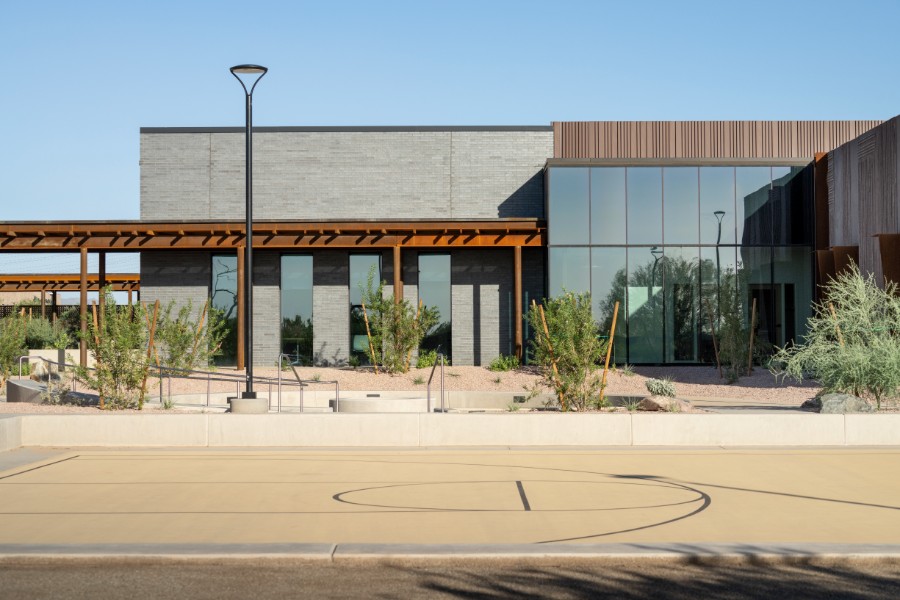
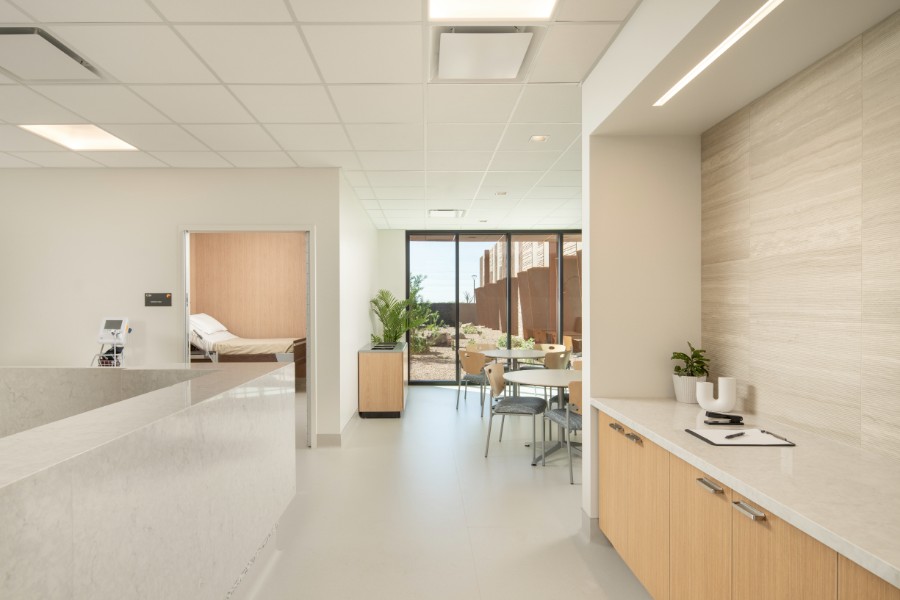
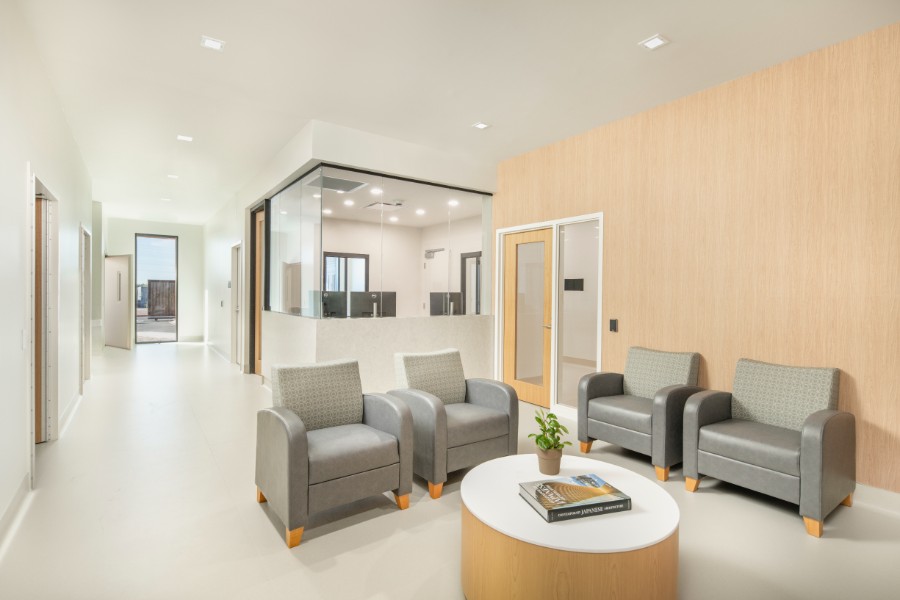
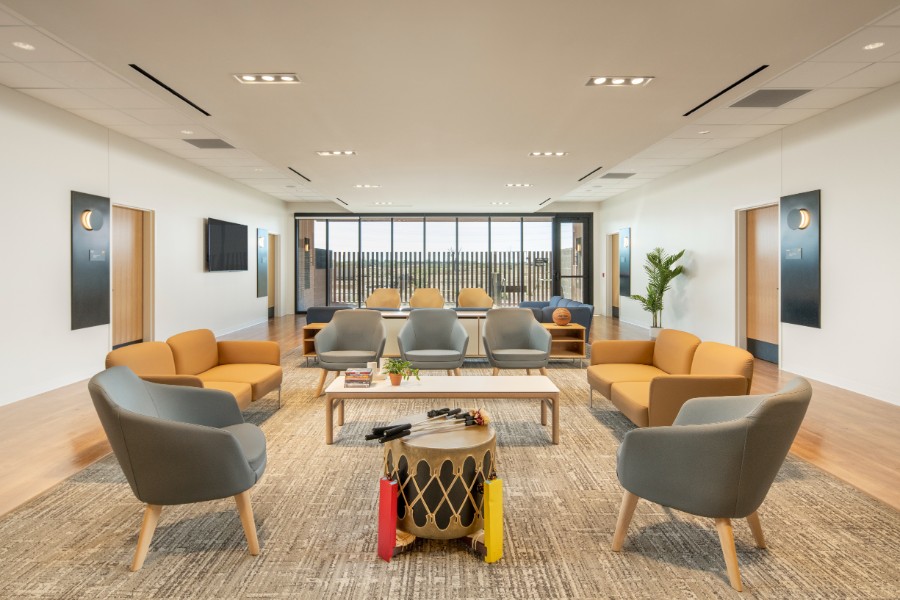
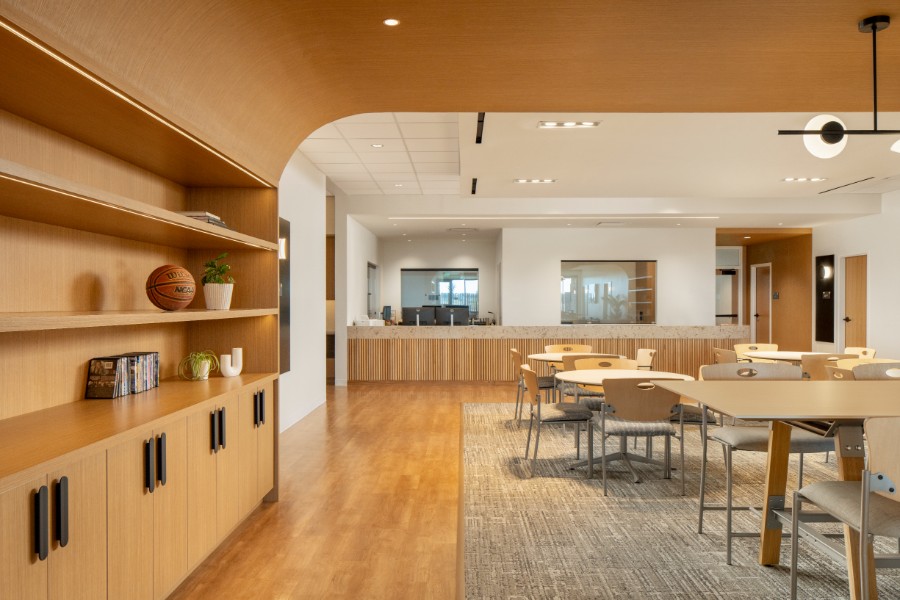
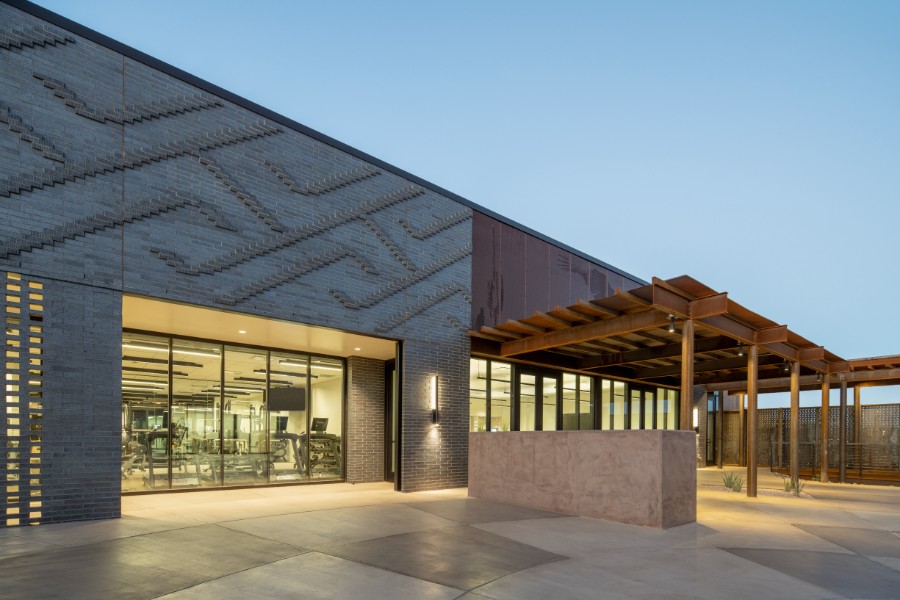
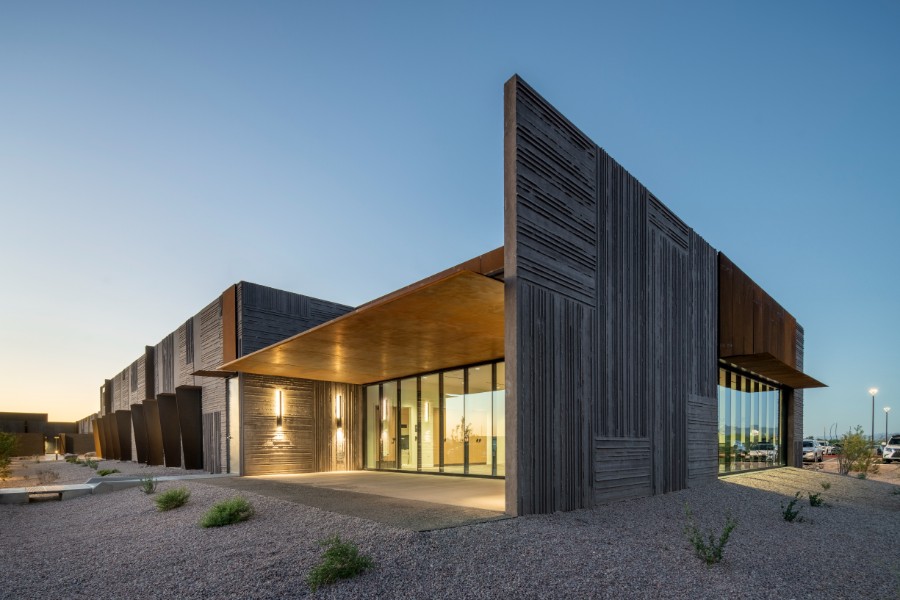
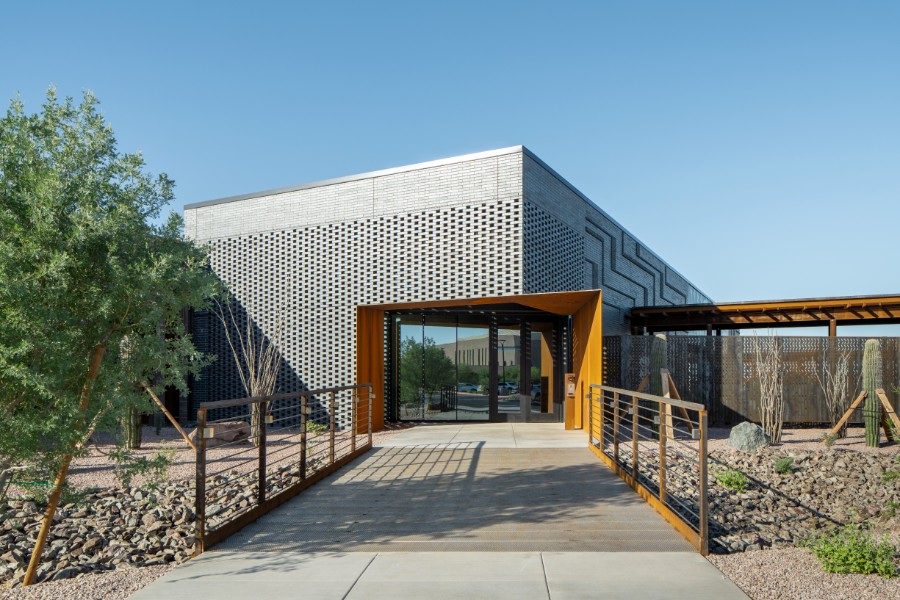
The Salt River–Pima Maricopa Indian Community’s Journey to Recovery Project is envisioned as a healing environment that restores dignity, balance, and connection for community members in recovery. The facility provides a welcoming, home-like atmosphere where individuals can receive treatment with privacy and respect. Its design is grounded in principles of sustainability and harmony with nature, fostering opportunities for both communal gatherings and personal reflection.
The Journey to Recovery Facility will accommodate approximately 48 residential participants during their treatment, providing a safe, supportive environment that promotes wellness and self-determination. Additionally, non-residential clients will have access to follow-up and continuing care services through a dedicated outpatient building.
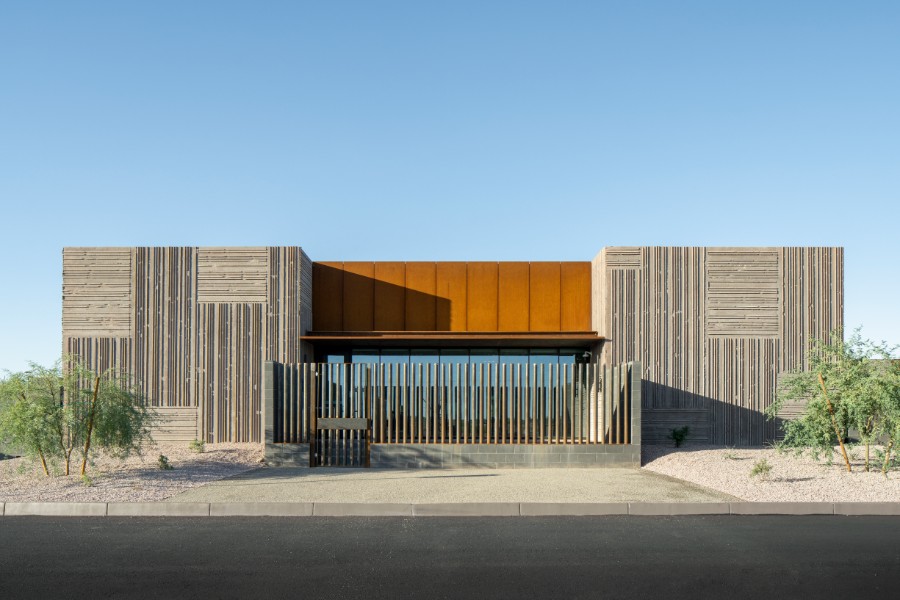
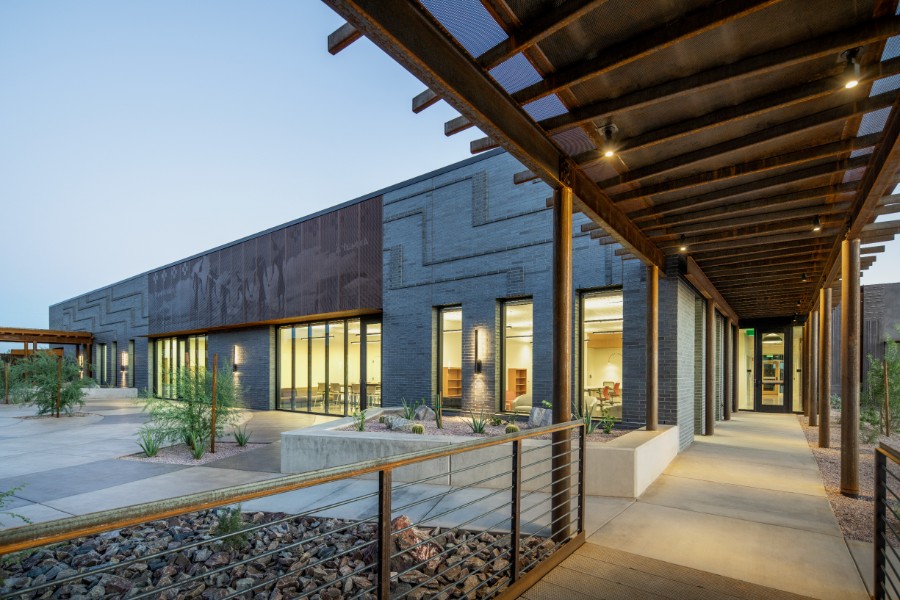
Architecturally, the facility is composed of three primary structures connected by a series of covered exterior walkways. These interconnected buildings, identified as Areas A, B, C, and D, create a cohesive campus organized around a central courtyard and recreation yard. Areas A and B are physically linked, while Areas C and D stand as separate structures. Together, they provide spaces for living, therapy, recreation, and staff operations, designed to encourage movement, interaction, and connection to the outdoors.
The buildings are carefully oriented to optimize natural ventilation and daylight, creating sustainable and comfortable environments that respond directly to the desert climate. Water management strategies emphasize natural control through subsurface drainage reduction, stormwater retention, and the creation of microclimates that cool and enrich the outdoor experience.
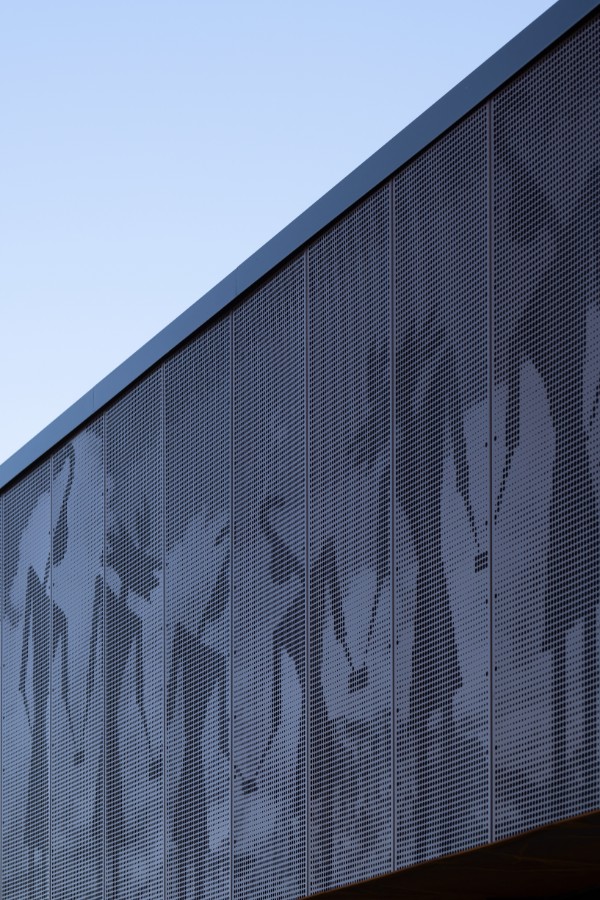
Throughout the site, covered walkways and shaded pathways evoke the traditional architectural vocabulary of ramadas and “vato” spaces, reflecting the community’s historic connection to the land and climate-responsive design. These transitions between interior and exterior spaces cultivate a sense of rhythm, belonging, and continuity, core to the project’s mission of holistic recovery and cultural renewal
See project photos
Architecture Firm
DLR Group
General Contractor
Au’ Authum Ki Kitchell
Additional Consultants
MEP/FP: DLR Group; Structural Engineer: PK Associates; Civil Engineer: Red Mountain Engineering; Landscape Architect: Logan Simpson; Food Service: Design Tec Food Facilities, Inc.
Size
44,816 sf
Location
Scottsdale, Arizona