2026
| Urban & Regional Planning
| Merit
AECOM
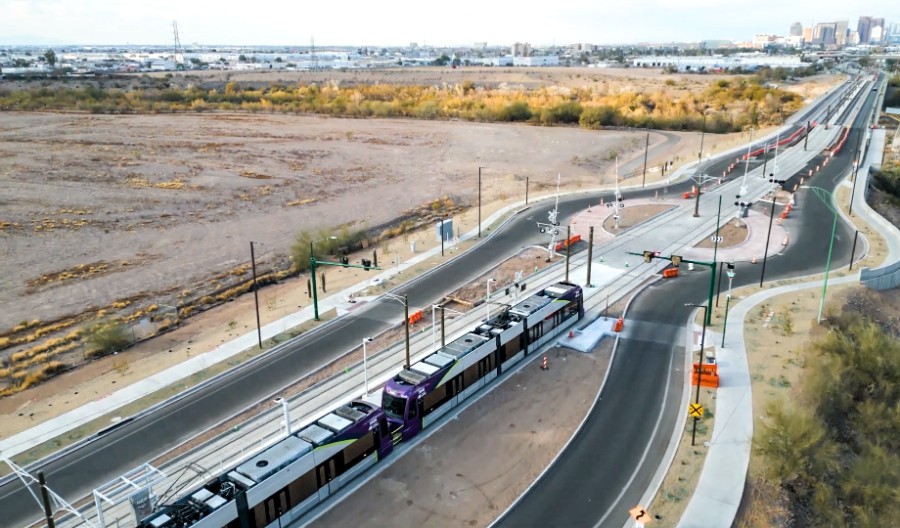
South Central Extension and Downtown Hub is a transformative 5.5-mile light rail extension that fulfills a decades-long community vision for equitable mobility, connectivity, and investment in South Phoenix. Connecting historically underserved neighborhoods to downtown Phoenix, healthcare, education, employment centers, cultural destinations, and Sky Harbor Airport, the project establishes Valley Metro’s first two-line rail network through 12 new stations, a multimodal Downtown Hub, and a 110-space park-and-ride.
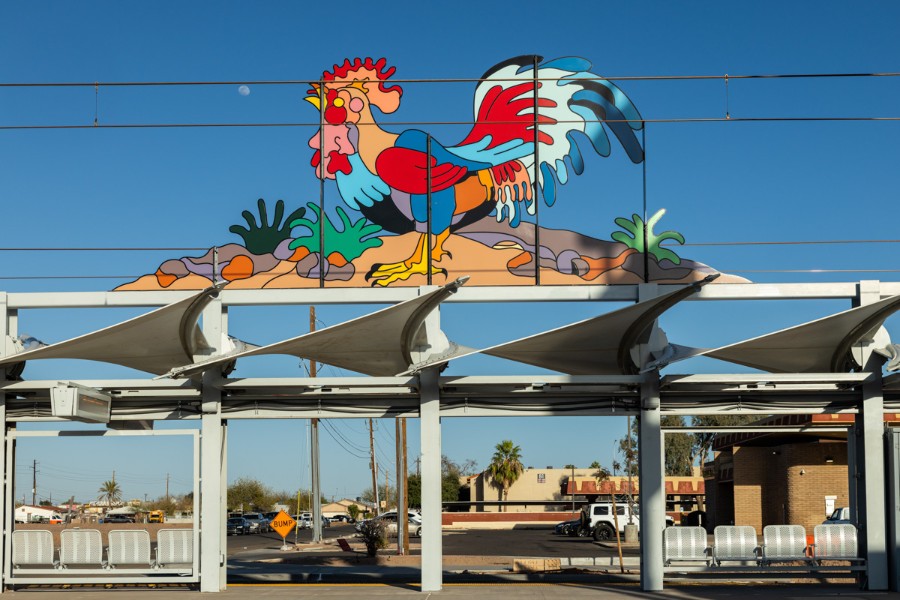
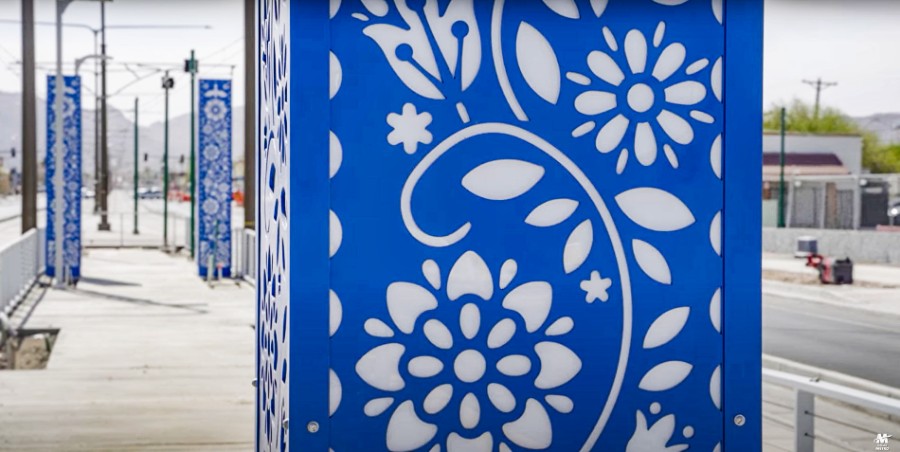
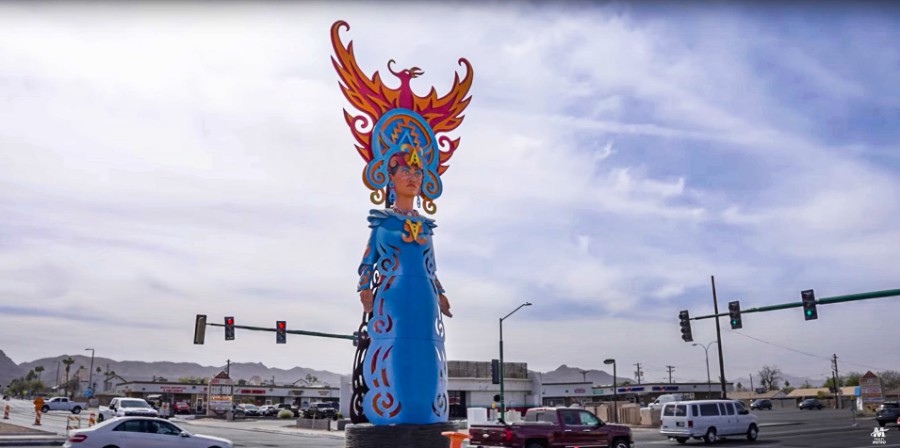
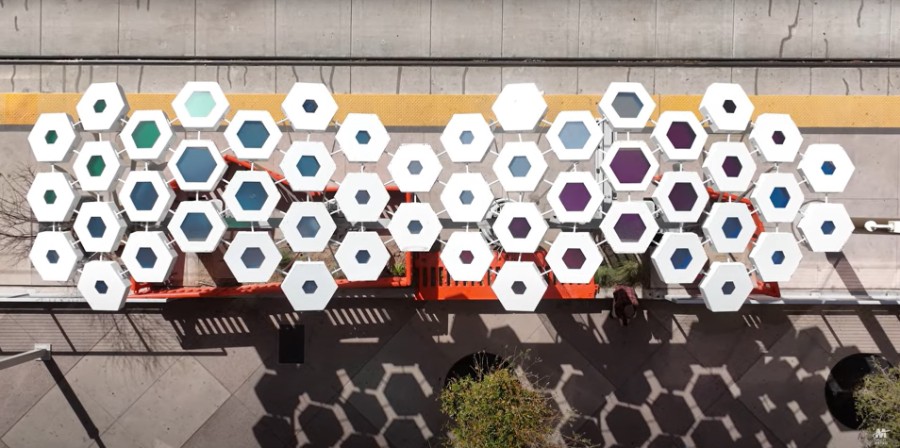
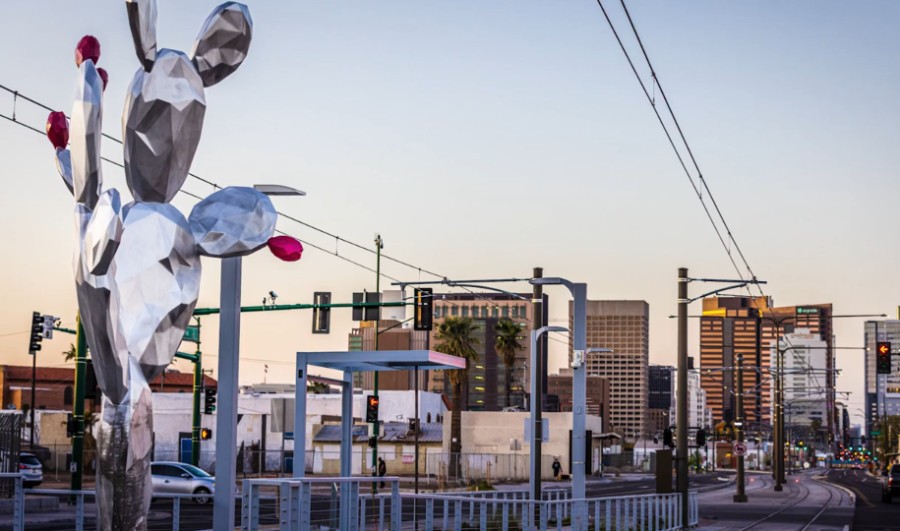
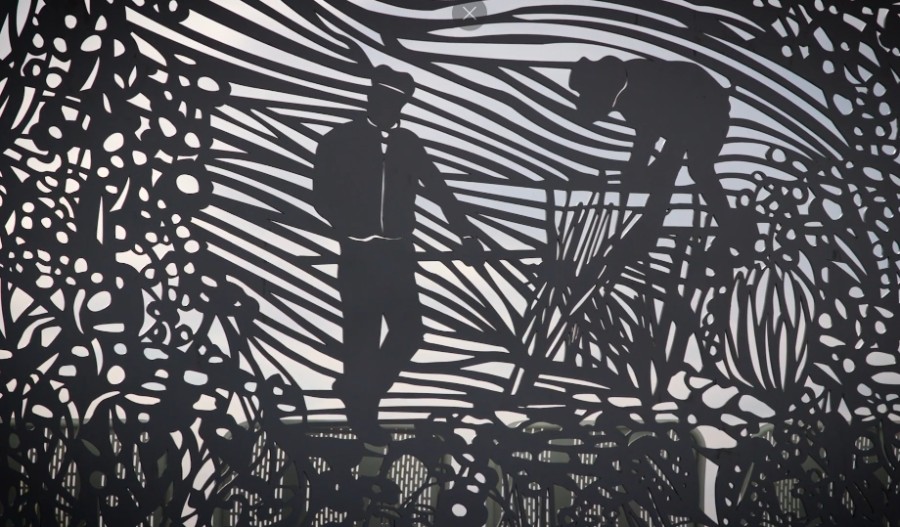
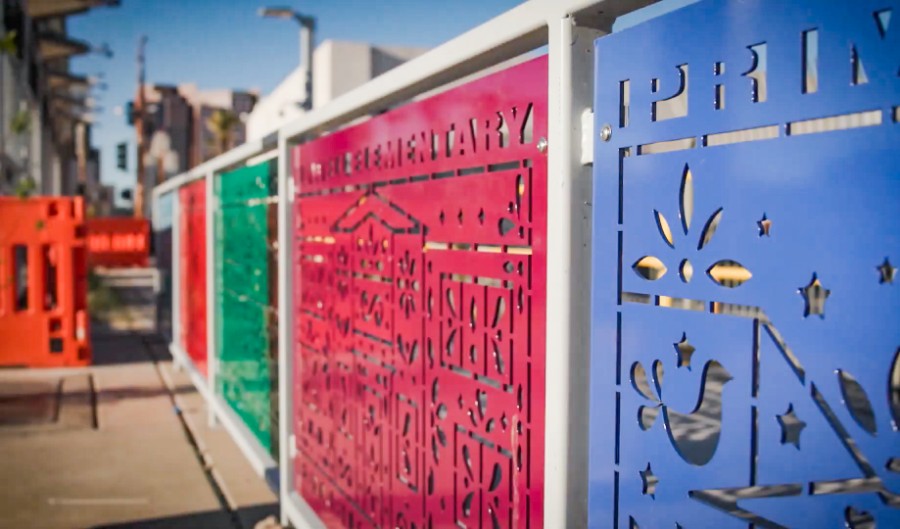
Architecture and placemaking were fundamental to creating a transit corridor that is both functional infrastructure and a civic destination. Each station features Valley Metro’s signature fabric canopies integrated with public art by 18 Arizona artists, transforming transit stops into recognizable neighborhood landmarks that provide shade, cultural expression, and a strong sense of place. The design elevates everyday journeys while reflecting the history and aspirations of the communities it serves.
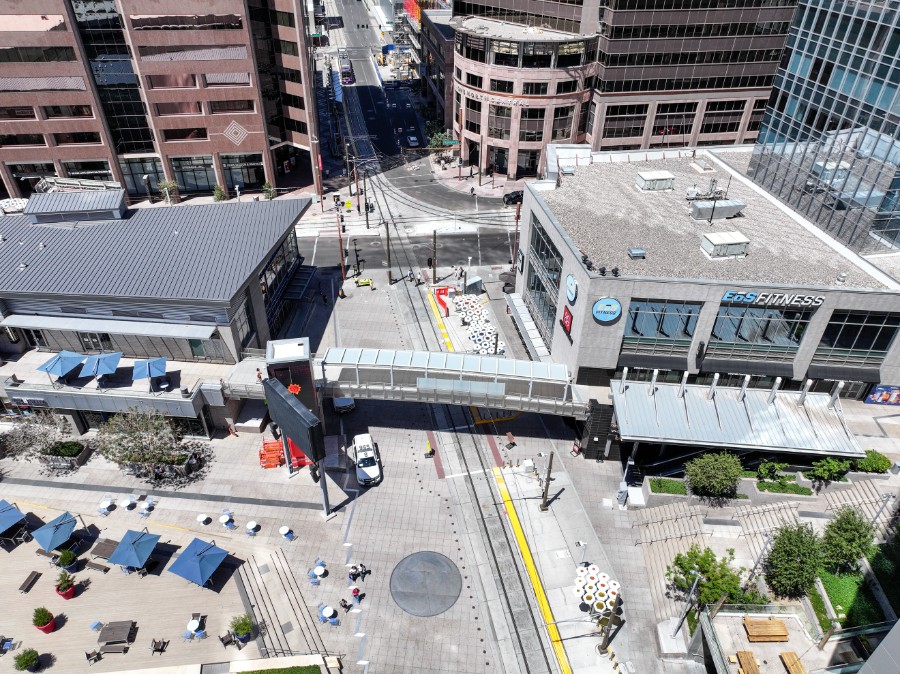
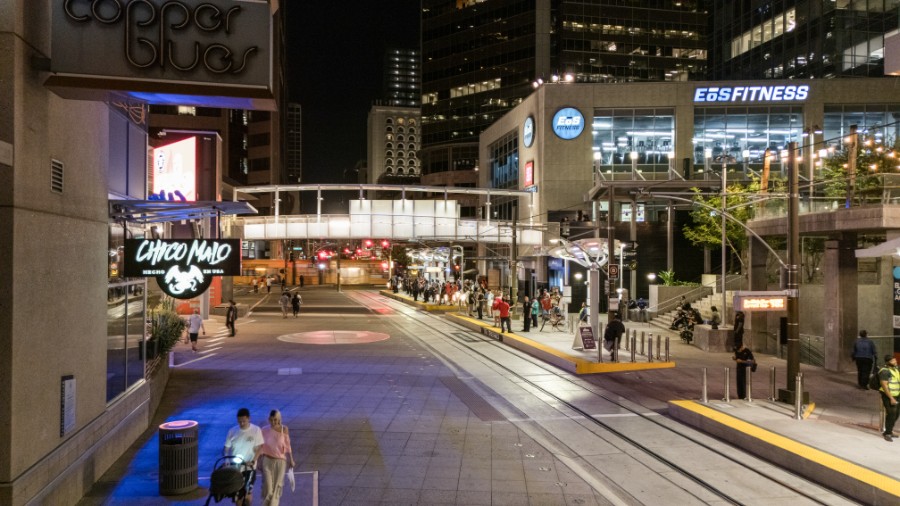
At CityScape Station, the traditional platform was reimagined as an extension of the public realm. Segmented boarding areas, accessible ramps, and plaza elements dissolve the boundary between transit and city life, seamlessly integrating light rail into one of downtown Phoenix’s premier gathering spaces.
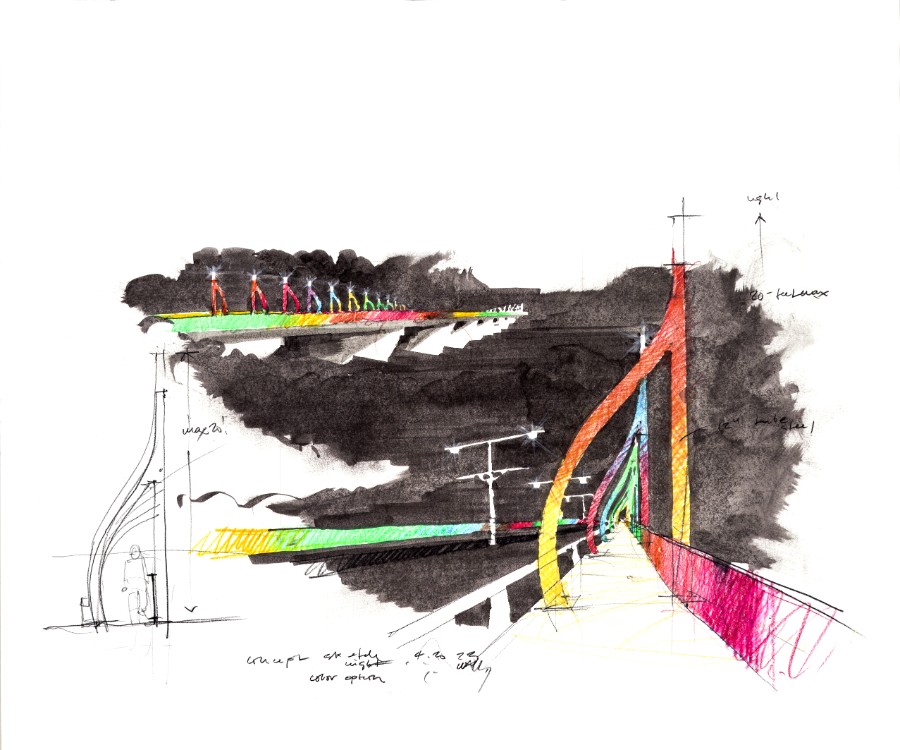
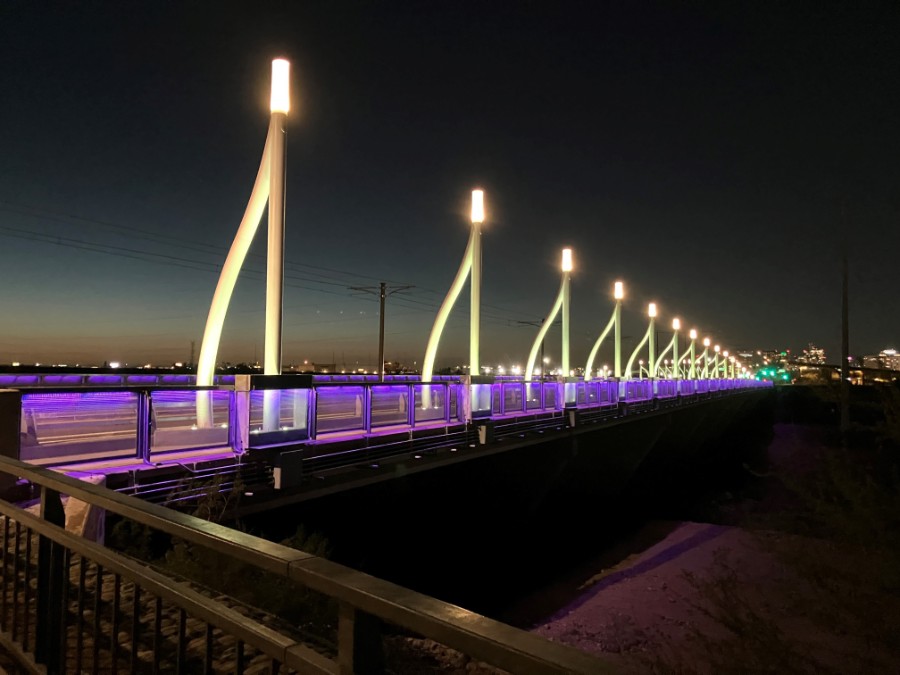
The project’s defining architectural feature is the nearly 900-foot Salt River Bridge. Redesigned to accommodate light rail, vehicles, cyclists, and pedestrians, the bridge has become a new Phoenix icon. Programmable color-changing lighting, a custom guardrail system, and sculptural illuminated gateway elements create a striking visual landmark that celebrates arrival into South Phoenix.
Beyond its architectural impact, South Central Extension and Downtown Hub reconstructed more than five miles of urban corridors, added 12 miles of sidewalks and nine miles of bicycle facilities, and planted more than 500 trees. Bioswales, Rio Salado habitat enhancements, bridge resiliency upgrades, and the Valley’s first light rail flood warning system further demonstrate how the project advances community well-being, environmental stewardship, and long-term resilience.
See project photos
Architecture Firm
General Contractor
Kiewett
Location
Phoenix, Arizona