2026
| Distinguished Architecture
| Citation
Jason Roehner
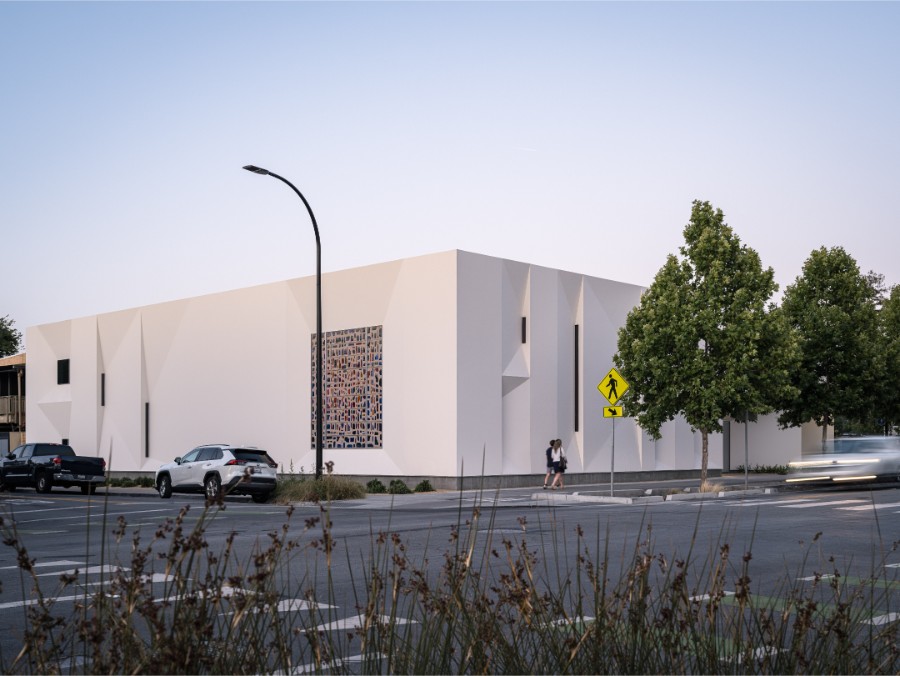
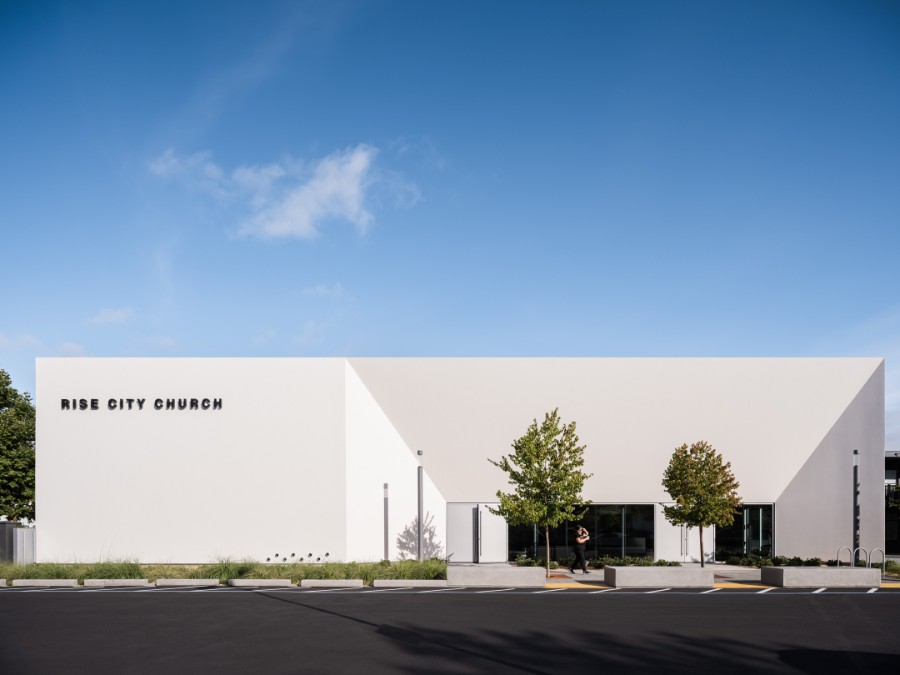
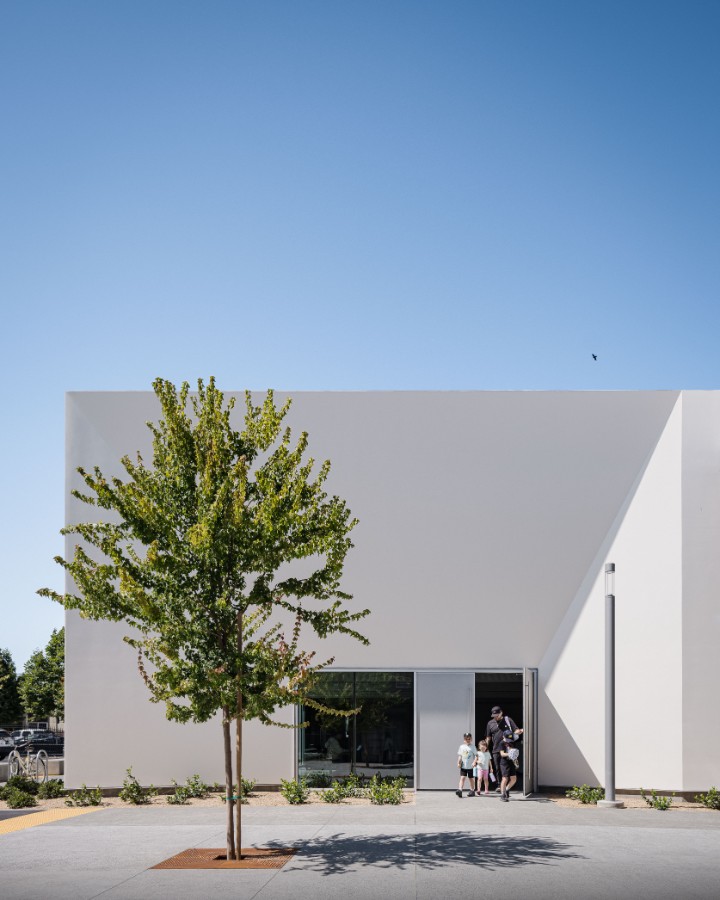
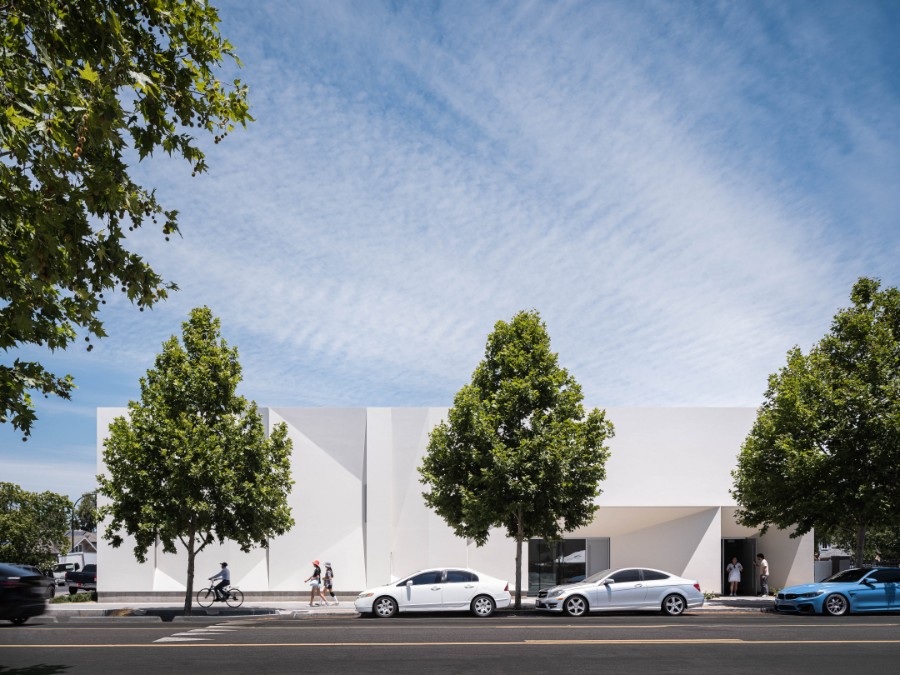
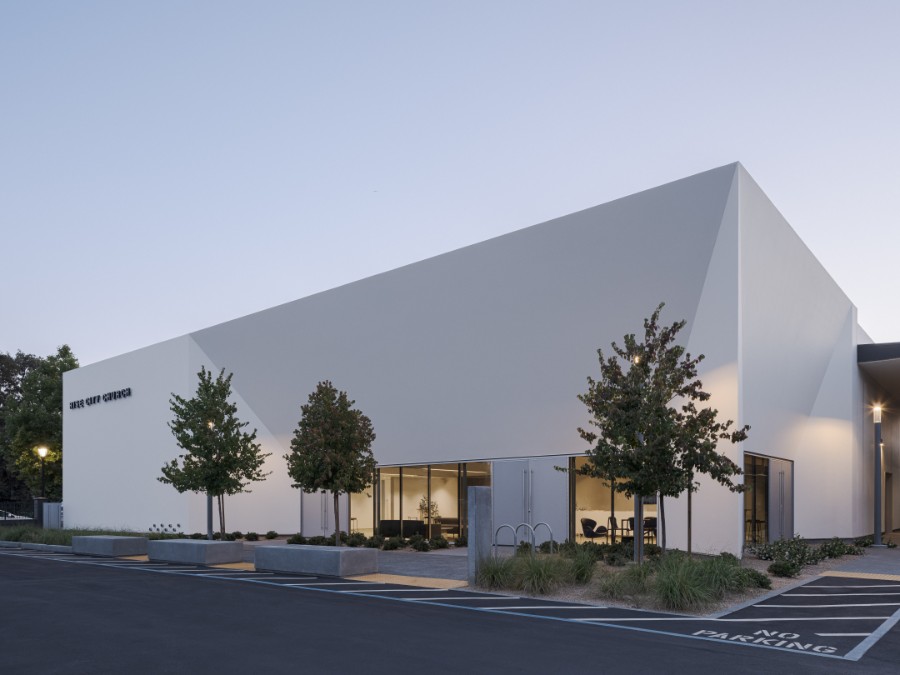
Can a building be shaped by light rather than by windows? Located along Redwood City’s active Middlefield Road corridor, Rise City Church transforms a fire-damaged building into a renewed civic and spiritual presence rooted in its neighborhood. Rather than replacing the campus entirely, the project preserves 51 percent of the existing structure, retaining its established footprint and urban edge while extending the life of the site through creative intervention.
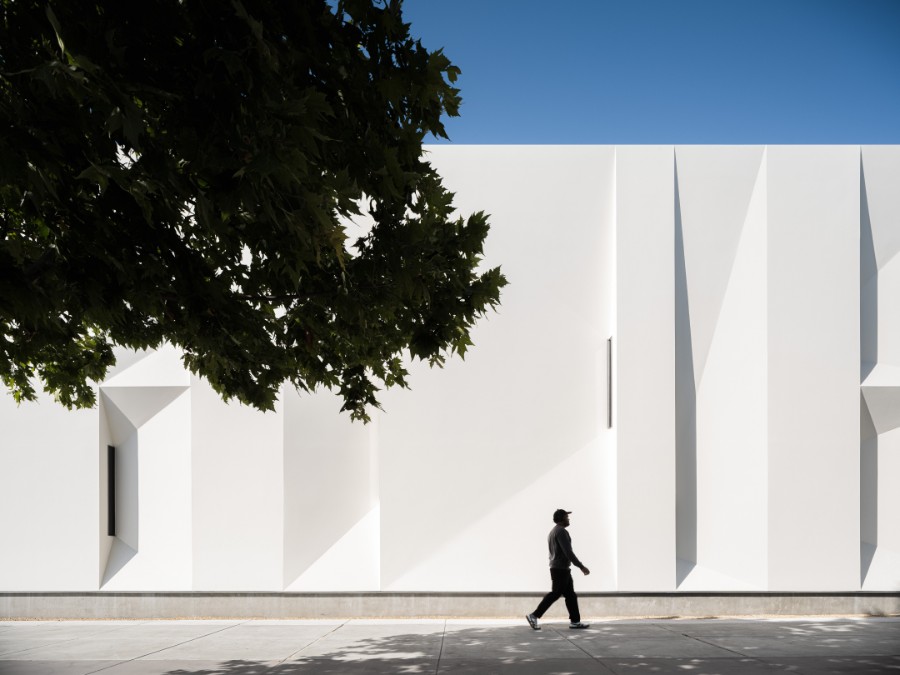
The building responds to a challenging urban condition where worship, commerce, neighborhood life, and pedestrians converge. Its restrained plaster exterior establishes a quiet civic presence, while a carefully faceted surface captures the changing qualities of daylight throughout the day, allowing light itself to become the building’s ornament.
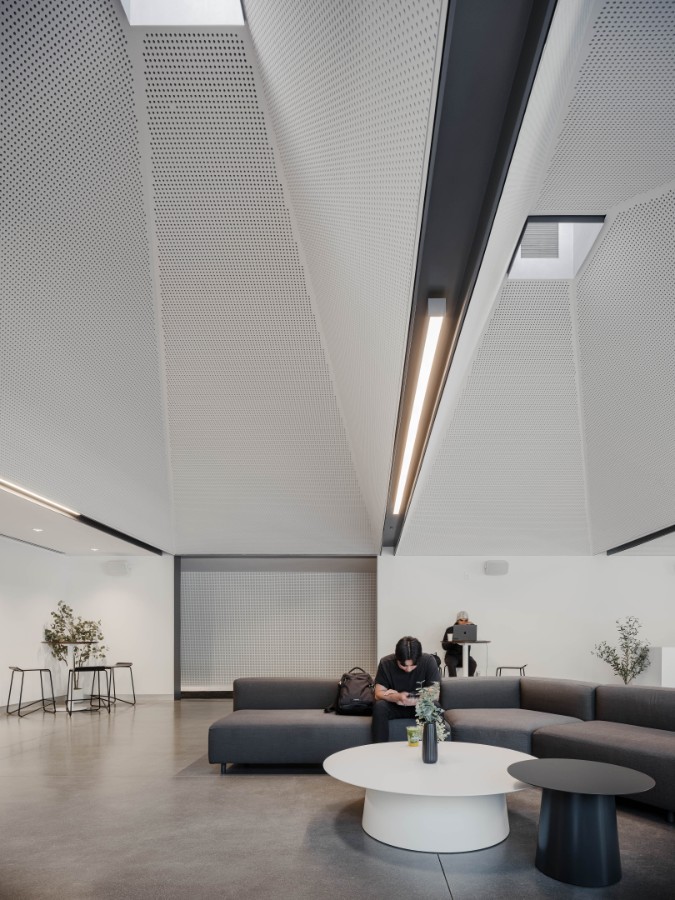
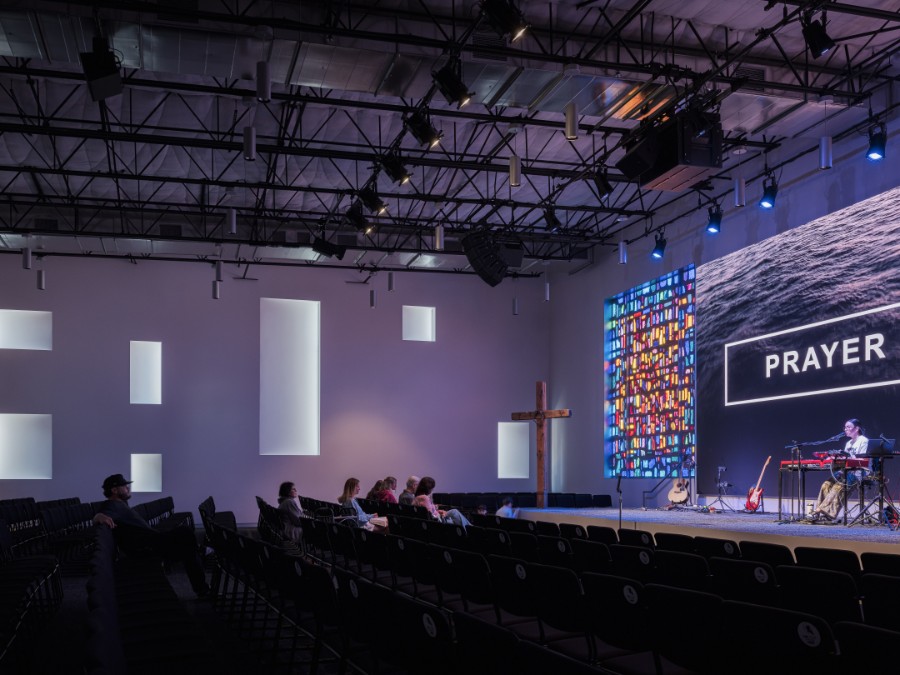
The architecture is shaped by a singular investigation: how daylight can define sacred space without relying on expansive glazing. The sanctuary is conceived as a carved volume where narrow vertical apertures admit reflected daylight while eliminating direct views and glare. Light enters indirectly, washing adjacent surfaces before becoming perceptible, creating an atmosphere of calm, contemplation, and transcendence. The result is an architecture experienced through changing light rather than visual spectacle.
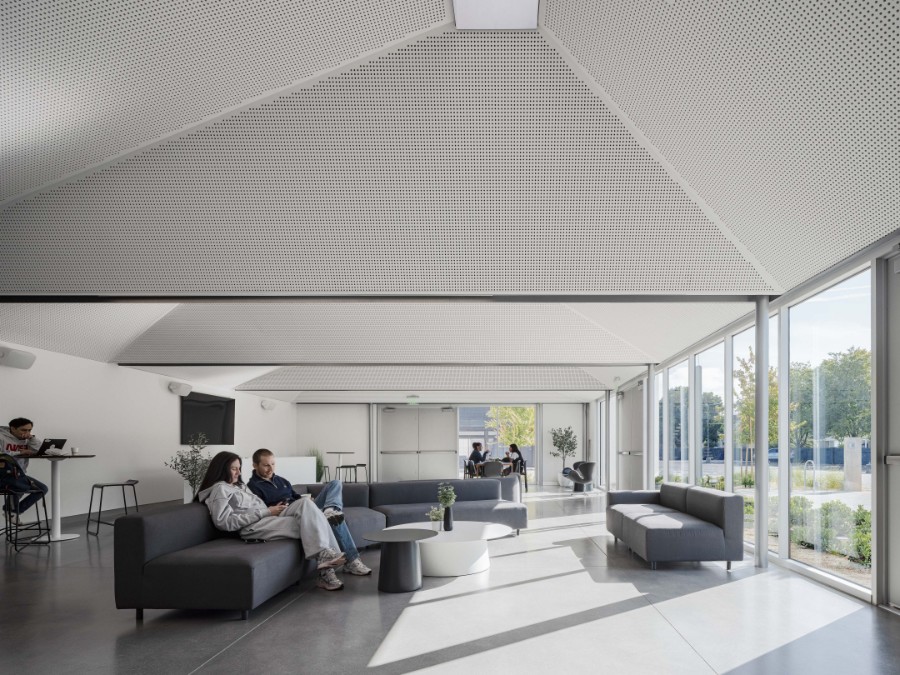
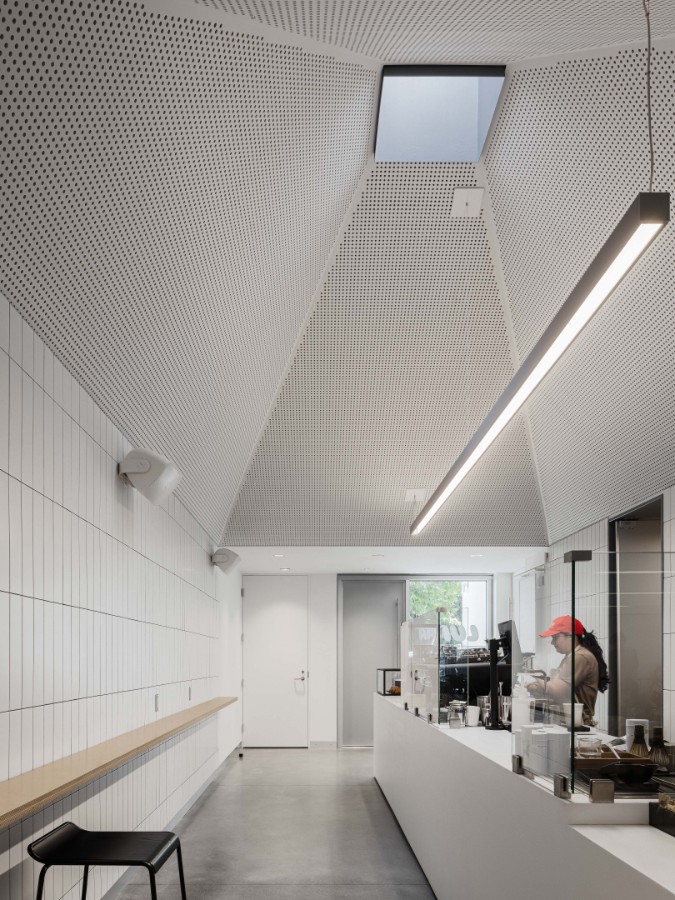
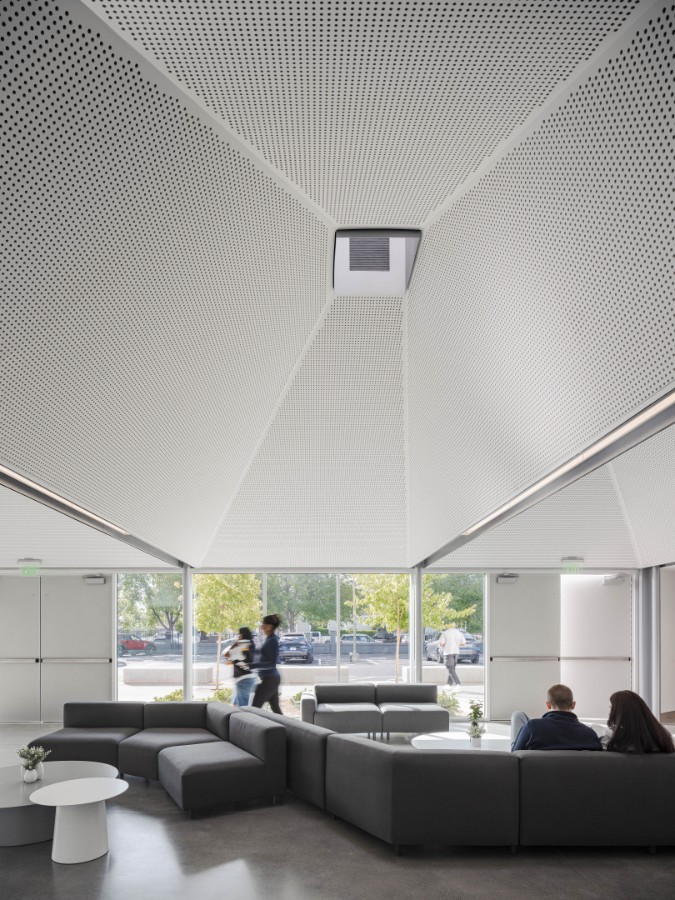
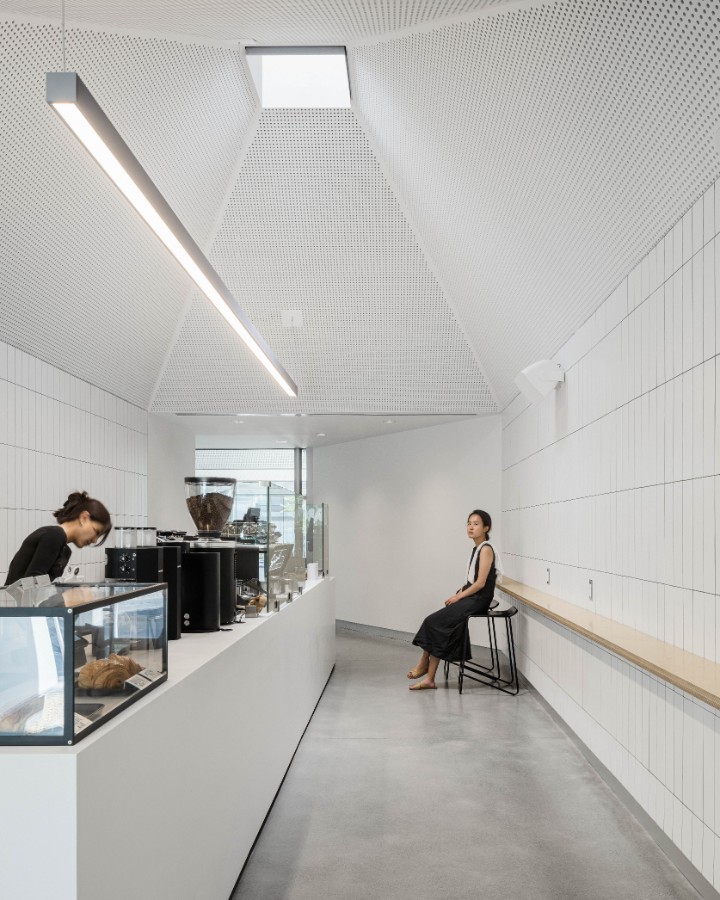
A disciplined material palette reinforces this clarity of purpose. Refined plaster, exposed concrete, perforated acoustic gypsum board, and carefully integrated lighting produce an environment where structure, material, acoustics, and illumination work together as a single architectural system. Passive daylighting reduces dependence on electric lighting while shaping the spatial experience throughout the day.
Beyond worship, the building serves as a daily civic resource through an independently operated café, a community thrift store, and a shared courtyard that activate the campus throughout the week. Rise City Church demonstrates how material restraint and the careful choreography of light can create architecture that is deeply rooted in place while offering an enduring expression of community, resilience, and hope.
See project photos
Architecture Firm
debartolo architects
General Contractor
Flory Construction
Additional Consultants
Rudow + Berry Inc. Structural Engineering, Associated Mechanical, Woodward Electrical, Floor Associates, C2G Civil Consultants Group
Size
10,000 sf
Location
Redwood City, California